
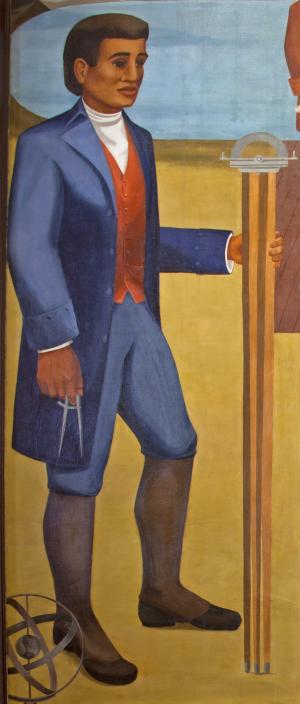
Benjamin Banneker
Occupation
Astronomer, Almanac Author, Mathematician, Surveyor
Year Born
1731
Research Areas
Solar Eclipses, Tides, Movement of the Sun and Moon, Planetary Motion
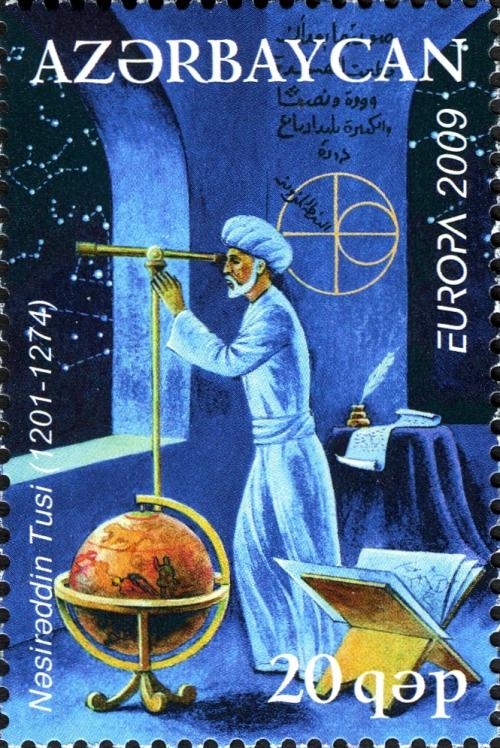
Nasir al-Din al-Tusi
Occupation
Astronomer, Mathematician, Philosopher, Scientist
Year Born
1201
Research Areas
Planetary Motion, Star Maps, Trigonometry, Logic, Ethics
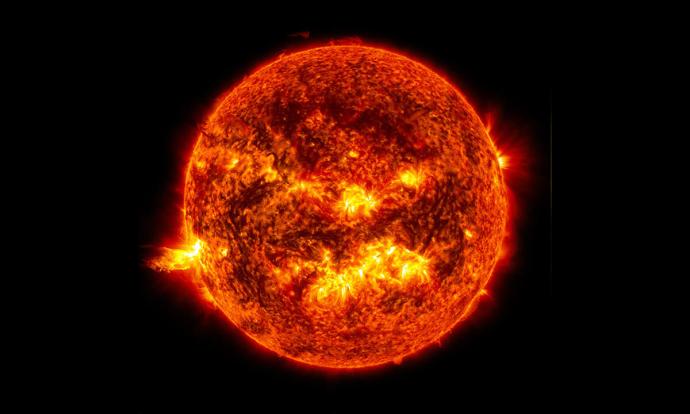
Stars
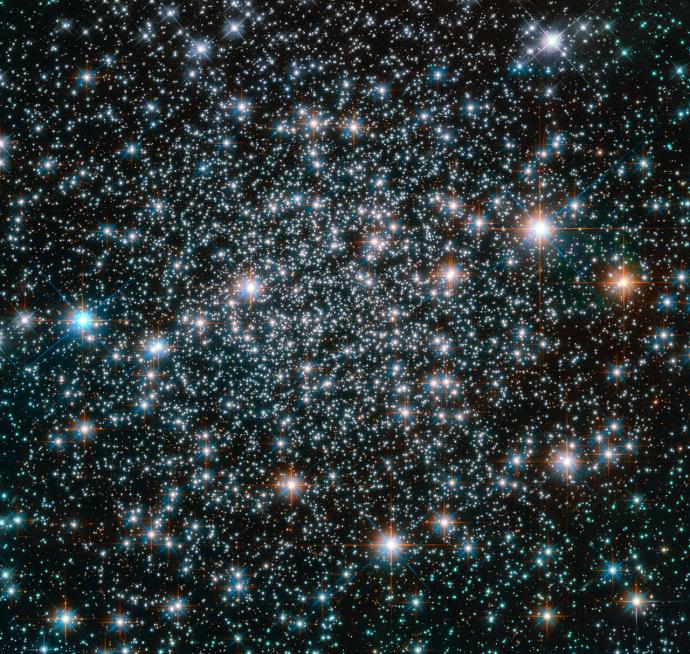
Stars are large, glowing balls of very hot gas. This gas is called plasma.
The Sun is a star. It is the closest star to Earth.
Distance
Measuring distances in astronomy is difficult but crucial. We need to know how far away objects are to look at the differences between them. Two objects can look different but be very similar, with one further away than the other. This can make them challenging to study.
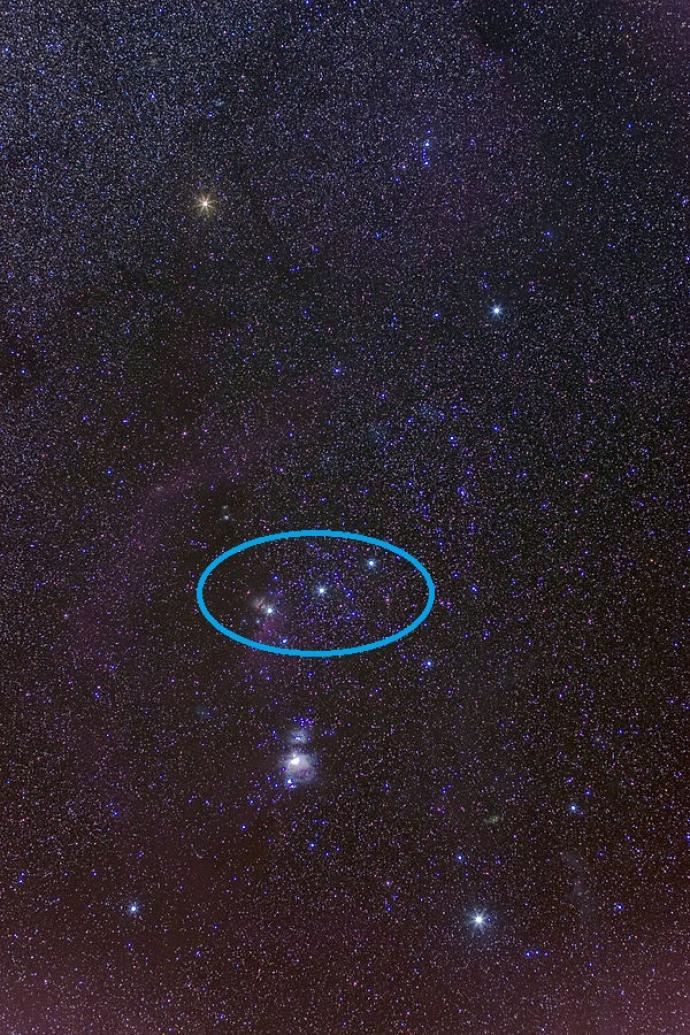
Brightness
Light is the main signal we receive from space. Almost everything we know about space has been found by measuring light.
One of the main ways to measure light is to look at the brightness. Measuring the brightness of something in space isn't as easy as you'd think though.
Angles
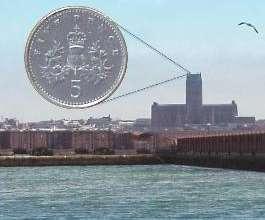
Astronomers use angles a lot to work out where things are in the sky. We can measure the size of an object in the sky and mark its position by using angles.
If we know how much of the sky an object covers (as an angle) and how far away it is - we can work out its actual size.
Understanding our Universe
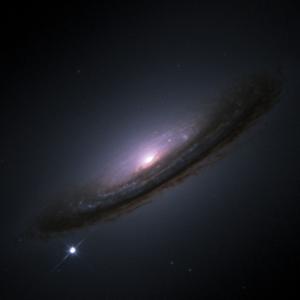
The universe has always amazed people. Over time, our understanding of stars and galaxies has changed a lot.
Understanding the Solar System
After the invention of the telescope, astronomy changed. Astronomers could see many more objects in the night sky.
Telescopes also made it possible to study planets and moons in much greater detail.
